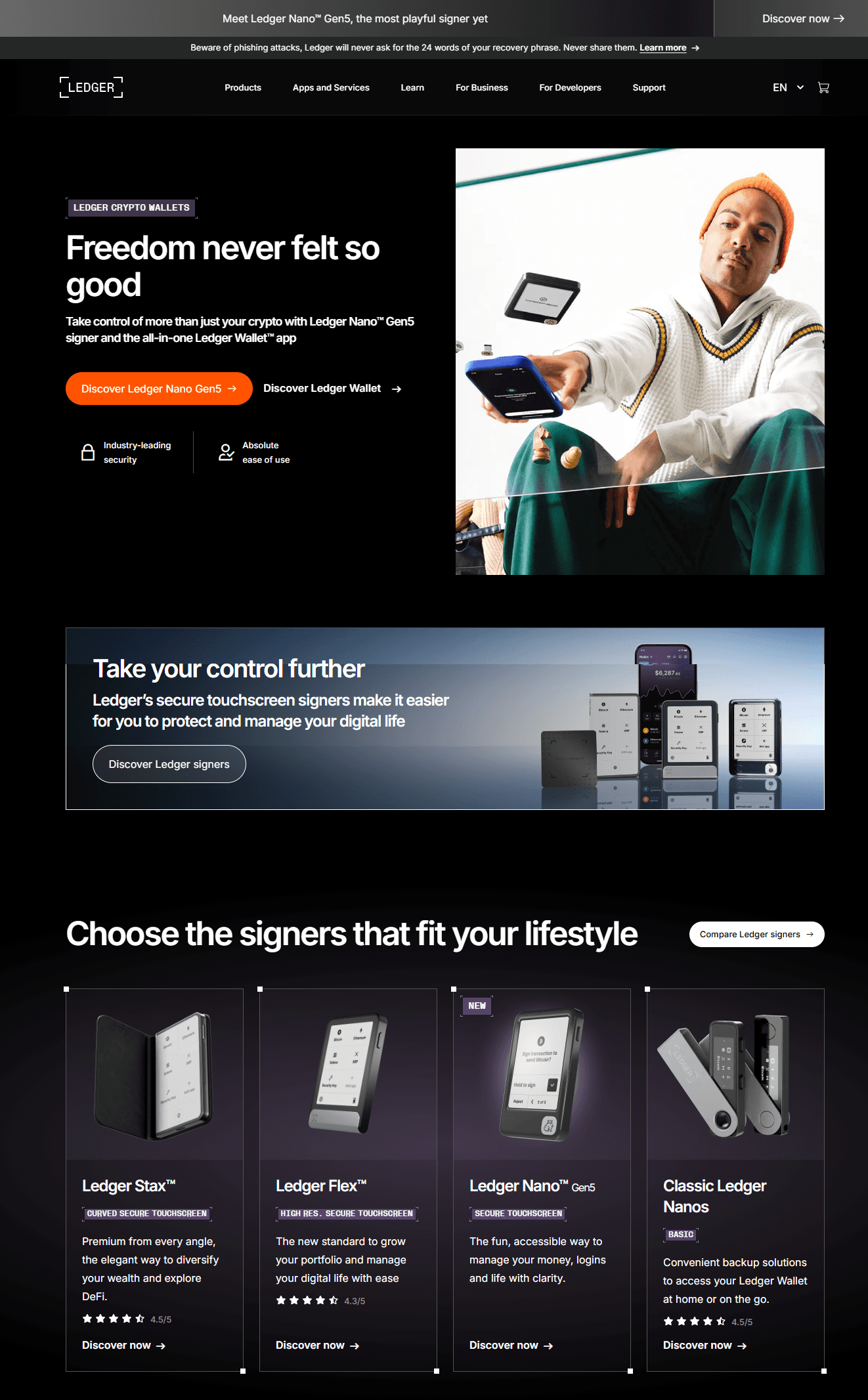
Ledger Live Desktop – Your Guide to Desktop Crypto Management
Ledger Live Desktop gives cryptocurrency users a convenient computer-based environment for accessing supported accounts and working with compatible Ledger hardware wallets. Instead of relying only on a mobile interface, users can manage supported wallet activities from a larger desktop screen where account information and transaction details can be easier to review.
Whether you are setting up a Ledger device for the first time or looking for a simple way to manage an existing wallet, Ledger Live Desktop provides an interface for supported account management. A secure setup starts with downloading genuine software, protecting private wallet information, and checking transaction details carefully.
Getting to Know Ledger Live Desktop
Ledger Live Desktop is the computer application used to interact with supported Ledger hardware wallets and cryptocurrency accounts. The application provides access to available wallet functions while the connected hardware device provides an additional layer for managing private keys and approving supported transactions.
The software should not be confused with the physical Ledger device. Ledger Live Desktop provides the user interface, while the hardware wallet is designed to handle important security operations through the physical device.
Advantages of a Desktop Wallet Interface
Managing cryptocurrency on a computer can be useful for users who prefer a larger display and a dedicated application. Ledger Live Desktop can bring supported wallet information and functions together in one location.
- View supported cryptocurrency account information.
- Connect compatible Ledger hardware wallets.
- Review balances and transaction activity.
- Manage supported receiving and sending operations.
- Check available portfolio information.
- Access supported features through a desktop interface.
How to Set Up Ledger Live Desktop
The setup process should begin with a trusted computer and a verified software source. Avoid downloading cryptocurrency applications from unknown websites or links shared by strangers.
1. Verify the Software Source
Carefully inspect the website address before downloading Ledger Live Desktop. Fake wallet websites can imitate legitimate branding, so checking the domain is an important first step.
2. Install the Desktop Application
Download the appropriate application for your computer and follow the installation instructions provided by the trusted source. Once installation is complete, launch Ledger Live Desktop.
3. Connect Your Ledger Hardware Wallet
Connect your compatible Ledger device to the computer. Follow the instructions shown by Ledger Live Desktop and carefully read any prompts displayed on the physical device.
4. Complete the Required Setup
Follow the available setup instructions for your device and account. If you are creating a new wallet, protect the recovery information generated during the process. If you are restoring an existing wallet, use the appropriate trusted recovery procedure.
Managing Supported Accounts
After setup, Ledger Live Desktop can provide access to supported cryptocurrency accounts. Depending on the asset and available features, users may be able to view balances, review transaction history, receive assets, and prepare outgoing transfers.
If you manage several cryptocurrencies, pay close attention to the account and network selected before performing an operation. Using the wrong network or account can result in unnecessary complications.
Sending Crypto From Ledger Live Desktop
Sending digital assets requires careful attention to transaction details. Before approving any transfer, verify the recipient address, amount, asset, network, and applicable fees.
- Open the correct account.
- Select the cryptocurrency you want to send.
- Enter the recipient address.
- Confirm the appropriate network.
- Enter the amount and review the fee.
- Check the transaction information on your Ledger device.
- Approve the transfer only when the details are correct.
Never approve a transaction simply because someone tells you to do so quickly. Take enough time to verify the information displayed on the physical device.
Receiving Assets Through Ledger Live Desktop
Ledger Live Desktop can provide receiving options for supported cryptocurrency accounts. Before sharing an address, verify that it belongs to the intended account and is compatible with the network being used.
When address verification is available through the hardware wallet, compare the address displayed by the software with the information shown on the physical device. This provides an additional opportunity to identify incorrect information.
Protecting Your Ledger Wallet
Good security practices are essential when using Ledger Live Desktop. Your recovery information and device PIN are private credentials and should never be shared with another person.
- Download Ledger Live Desktop through a trusted official source.
- Keep your recovery phrase offline and private.
- Never reveal your hardware wallet PIN.
- Check website domains before downloading software.
- Do not enter recovery information into unfamiliar websites.
- Review transaction details on your Ledger hardware wallet.
- Ignore unsolicited messages requesting wallet information.
- Avoid suspicious applications and browser extensions.
How to Recognize a Fake Ledger Website
Phishing attacks can target cryptocurrency users through websites, advertisements, emails, social media messages, and fake support accounts. A fraudulent page may look almost identical to a legitimate wallet website.
Be cautious if a website asks for your complete recovery phrase, requests your hardware wallet PIN, claims your account is urgently compromised, or pressures you to transfer cryptocurrency.
When in doubt, close the suspicious page and independently navigate to a trusted official source rather than following a link supplied by an unknown person.
Ledger Live Desktop Troubleshooting
If your Ledger device is not recognized, start by checking the physical connection. Make sure the device is connected correctly and then restart the desktop application.
Common Checks
- Reconnect the Ledger hardware wallet.
- Check the connection cable.
- Restart Ledger Live Desktop.
- Confirm that your computer meets current requirements.
- Check that the application was obtained from a trusted source.
- Use official troubleshooting instructions if the issue continues.
Never use an unknown “wallet repair” service that asks for your recovery phrase or PIN.
Frequently Asked Questions
What is Ledger Live Desktop?
Ledger Live Desktop is a computer application that provides access to supported cryptocurrency accounts and compatible Ledger hardware-wallet features.
Is Ledger Live Desktop the hardware wallet?
No. Ledger Live Desktop is software, while the Ledger hardware wallet is a separate physical device used for protected key management and transaction confirmation.
Why is my Ledger device not connecting?
Check the physical connection, restart the application, and confirm that your computer and software environment are supported. For persistent problems, use trusted troubleshooting resources.
Can I share my recovery phrase with support?
Your recovery phrase should remain private. Do not provide it to people who contact you claiming to be customer support.
Why should I verify transactions on the device?
Checking transaction information on the physical hardware wallet provides an additional opportunity to confirm that the transaction matches your intended action before approval.
Ledger Live Desktop Quick Checklist
- Use a trusted computer.
- Verify the software source.
- Install the genuine desktop application.
- Connect your compatible Ledger device.
- Select the correct cryptocurrency account.
- Keep your recovery phrase and PIN private.
- Verify wallet addresses and networks.
- Review transactions on the physical device.
- Use trusted sources for updates and troubleshooting.
Final Thoughts About Ledger Live Desktop
Ledger Live Desktop provides a convenient computer-based environment for managing supported cryptocurrency accounts and connecting compatible Ledger hardware wallets. Its desktop interface can make account monitoring and transaction management easier for users who prefer working from a computer.
A secure experience depends on more than the application itself. Always verify your software source, protect your recovery information, keep your PIN private, and carefully check transaction details on your hardware wallet before approving a transfer.