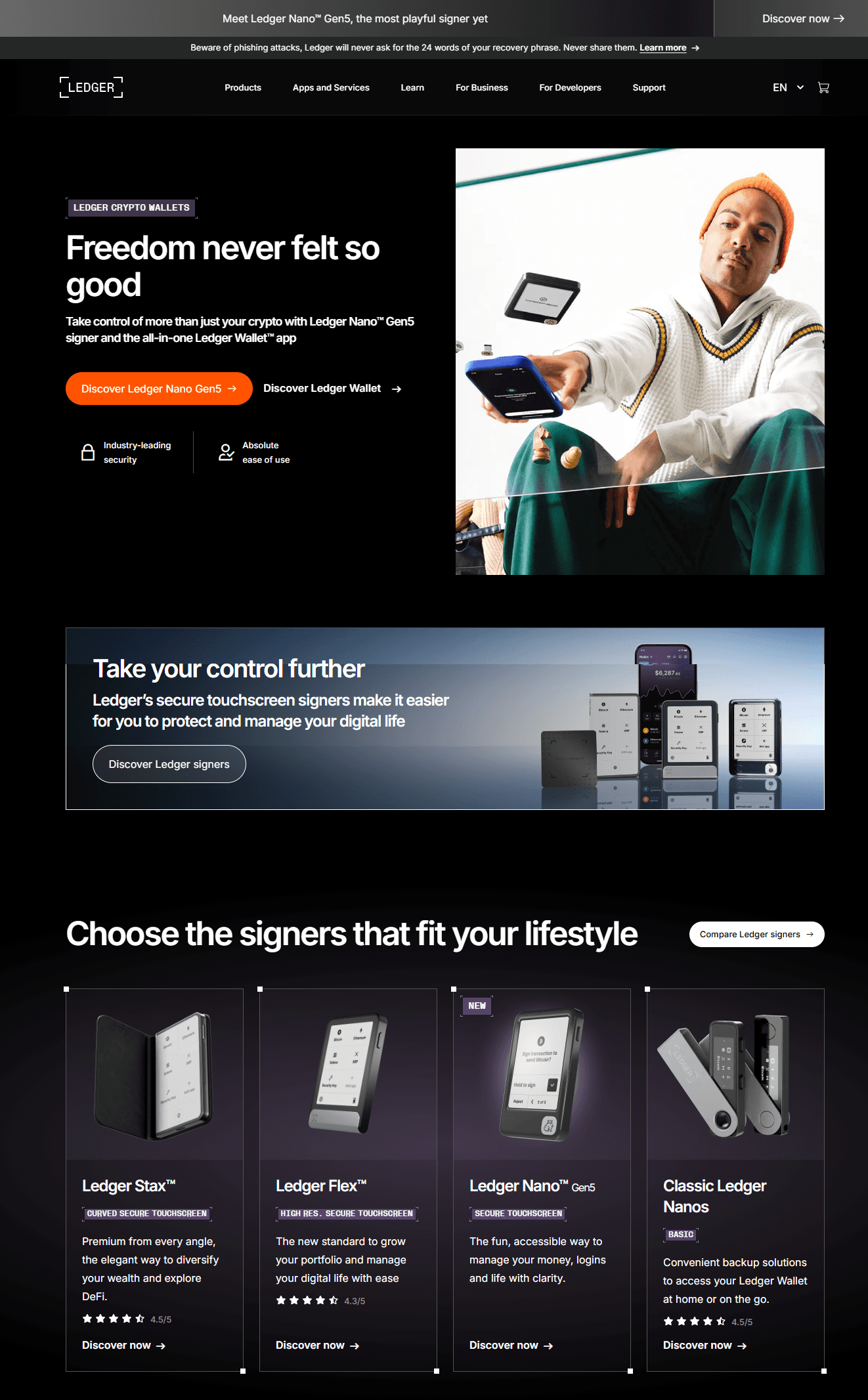
Ledger Live Desktop – Explore a Convenient Crypto Management Experience
Ledger Live Desktop is a computer application built to help users interact with supported cryptocurrency accounts and compatible Ledger hardware wallets. A desktop environment can make it convenient to review account information, monitor supported assets, receive funds, prepare transactions, and manage available wallet features from one place.
Whether you are new to hardware wallets or already use one regularly, understanding the basic functions of Ledger Live Desktop can help you use the application more confidently. At the same time, security should remain a priority whenever cryptocurrency software is installed, updated, or connected to a hardware wallet.
What Is Ledger Live Desktop?
Ledger Live Desktop is the desktop version of Ledger's wallet management software. It provides an interface through which users can access supported cryptocurrency accounts and interact with compatible Ledger hardware devices.
The desktop application is different from the physical hardware wallet. Ledger Live provides the software interface, while the hardware wallet is used for protected key management and confirming supported operations.
The assets and features available within the application can vary depending on the cryptocurrency, device, account, and current software support.
Benefits of Using Ledger Live Desktop
A dedicated desktop application can be useful for people who prefer managing cryptocurrency from a computer. A larger display can also make it easier to inspect account information and transaction details.
- Access supported cryptocurrency accounts from a desktop.
- Connect compatible Ledger hardware wallets.
- Review account balances and transaction history.
- Manage supported receiving and sending activities.
- Monitor available portfolio information.
- Use supported wallet-related services through the application.
Getting Started With Ledger Live Desktop
Start by using a trusted computer and obtaining Ledger Live Desktop from a legitimate source. Avoid third-party websites that distribute modified installers or claim to provide special wallet versions.
Step 1: Verify the Download Source
Before downloading anything, carefully check the website address. Cryptocurrency users are often targeted by phishing websites that imitate familiar wallet brands.
Step 2: Install the Application
Download the appropriate desktop application and follow the installation instructions shown by your operating system. After installation, open Ledger Live Desktop and continue with the available setup instructions.
Step 3: Connect Your Hardware Wallet
Connect your compatible Ledger hardware wallet to the computer. Follow the prompts shown in the application and on the physical device when establishing the connection.
Explore Your Accounts
After completing the necessary setup, Ledger Live Desktop can provide access to supported accounts. Depending on the asset, users may be able to view balances, examine previous transactions, and perform supported wallet functions.
When working with multiple assets, pay attention to account names, addresses, and networks. Selecting the correct account before initiating an operation can help prevent avoidable mistakes.
Sending Digital Assets Safely
Sending cryptocurrency should always be treated as a careful process. Before confirming a transaction, verify the recipient address, amount, asset, and network.
- Open the appropriate account in Ledger Live Desktop.
- Select the asset you want to transfer.
- Enter the recipient address.
- Confirm the selected network.
- Review the amount and transaction fee.
- Compare the transaction details on your Ledger device.
- Approve the transaction only when all information is correct.
Never rush through a transaction because another person is pressuring you. Once confirmed on a blockchain, many transactions cannot simply be canceled or reversed.
Receiving Cryptocurrency With Ledger Live Desktop
Receiving supported digital assets generally involves providing a wallet address associated with the appropriate account. Before sharing an address, make sure it corresponds to the intended asset and network.
When the application provides an opportunity to verify an address through the connected hardware wallet, carefully compare the displayed information before using it.
Ledger Live Desktop Security Recommendations
Safe cryptocurrency management requires attention to both digital and physical security. The most important information associated with your wallet should never be shared with strangers or entered into suspicious websites.
- Download Ledger Live Desktop from a trusted source.
- Keep your recovery phrase private.
- Never disclose your hardware wallet PIN.
- Do not respond to suspicious wallet-support requests.
- Verify domains before downloading software.
- Review transactions on the physical Ledger device.
- Avoid unknown wallet applications and browser extensions.
- Keep your hardware wallet physically secure.
Be particularly careful with messages claiming that your account has a problem and asking you to provide recovery words. Requests for secret recovery information are a major warning sign.
Keeping Ledger Live Desktop Reliable
Regularly checking the application's software environment can help maintain a smooth experience. Use trusted sources whenever installing updates or other components required by your wallet setup.
If an unexpected pop-up or message asks you to install software, verify the request through an official source before continuing. Do not rely solely on a notification displayed by an unknown webpage.
Troubleshooting Ledger Live Desktop
If the desktop application does not detect your Ledger hardware wallet, begin with basic connection checks. Confirm that the cable is connected correctly and that the device is functioning normally.
Basic Troubleshooting Steps
- Reconnect the Ledger hardware wallet.
- Check the physical connection.
- Restart Ledger Live Desktop.
- Confirm that the computer meets current requirements.
- Check that the application was obtained from a trusted source.
- Use official troubleshooting instructions for persistent issues.
Avoid unofficial repair utilities that request your recovery phrase, PIN, or other private wallet information.
Frequently Asked Questions
What is Ledger Live Desktop used for?
Ledger Live Desktop is used to access supported cryptocurrency accounts and interact with compatible Ledger hardware wallets through a computer.
Is Ledger Live Desktop a hardware wallet?
No. It is desktop software. The compatible Ledger hardware wallet is the separate physical device used for protected key management and transaction confirmation.
Why is my Ledger device not detected?
Check the connection, restart the application, and confirm that the software and computer environment are supported. For continued problems, consult trusted troubleshooting documentation.
Should I give my recovery phrase to customer support?
Keep your recovery phrase private. Never disclose it to someone who contacts you claiming to provide technical support.
Why should transactions be checked on the Ledger device?
Reviewing transaction information on the physical device gives you an additional opportunity to confirm that the address, amount, and other details match your intended transaction before approval.
Ledger Live Desktop Checklist
- Use a trusted computer.
- Verify the application source.
- Install Ledger Live Desktop correctly.
- Connect your compatible hardware wallet.
- Confirm the correct account and asset.
- Protect your PIN and recovery phrase.
- Verify addresses and networks before sending funds.
- Review transaction details on the hardware wallet.
- Use trusted sources for updates and troubleshooting.
Final Thoughts on Ledger Live Desktop
Ledger Live Desktop offers a convenient way to interact with supported cryptocurrency accounts and compatible Ledger hardware wallets from a computer. Its desktop interface can make everyday account management and transaction review easier.
A secure experience depends on careful habits. Use trusted software sources, protect your recovery information and PIN, verify wallet addresses and networks, and review transaction details on your hardware device before approving cryptocurrency transfers.